Short answer
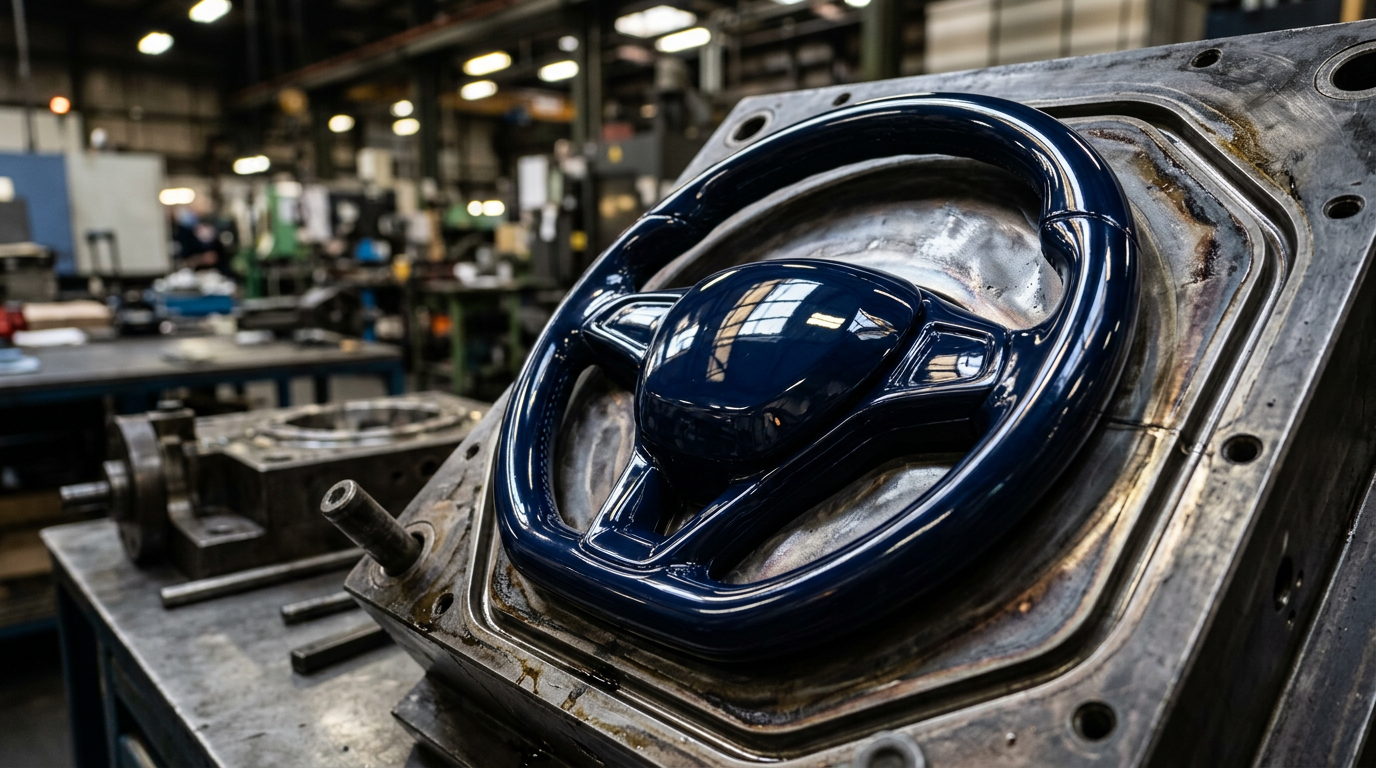
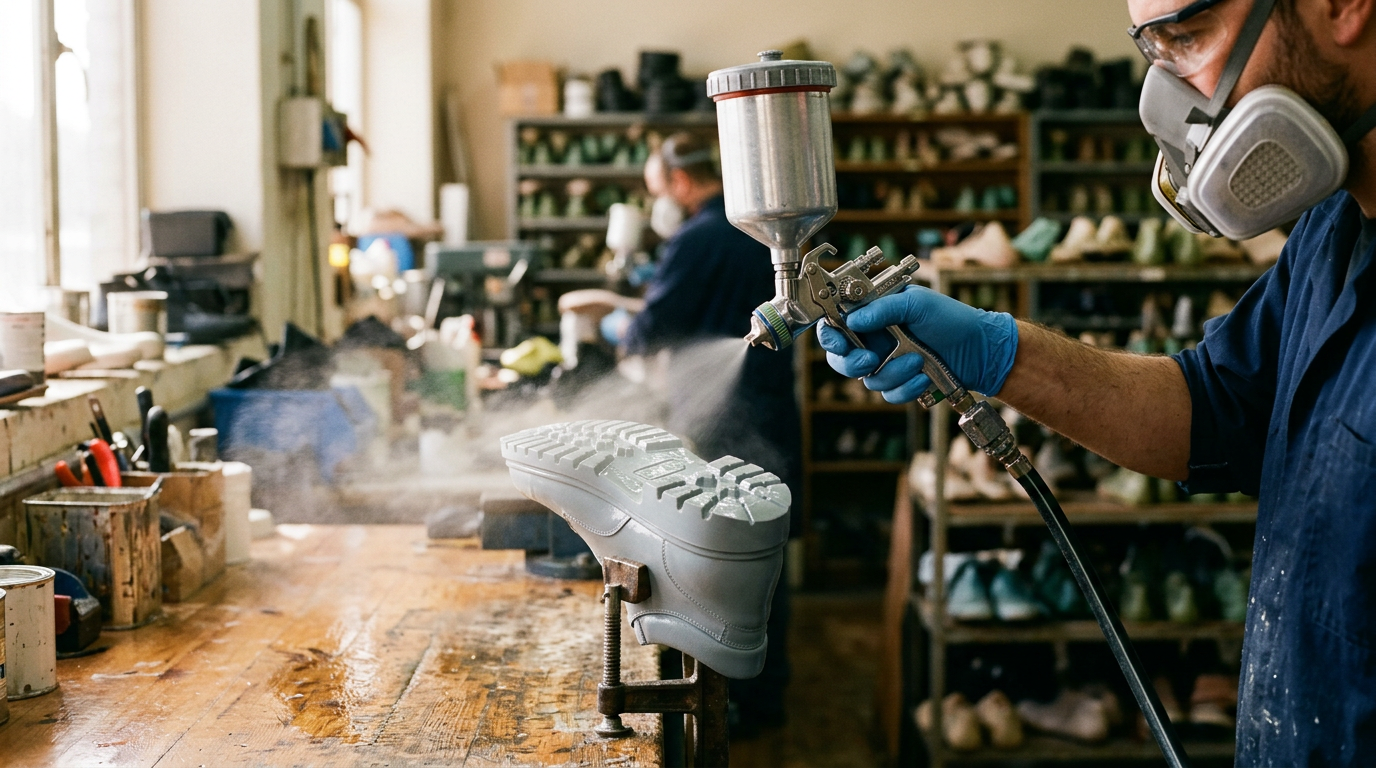
The coating is less flexible than the PU beneath it, or it is too thick, or the part is flexed cold. Match coating elongation and hardness to the flex demand of the part: footwear soles need a flexible film, while a steering wheel or armrest can take a harder one. Chemie coatings are adjustable for tensile strength and abrasion resistance.
Likely causes
Film too hard for the substrate
Low elongation compared with the PU.
Excess film thickness
Thicker films crack sooner under flex.
Cold flexing
Both coating and PU stiffen at low temperature.
Over-cured or heat-aged film
Loses flexibility.
How to diagnose it
- Mandrel bend test and flex-cycle test on production samples.
- Measure film thickness at the crack location.
- Test cold if the part is used in cold conditions.
How to fix it
- Move to a softer, more flexible coating grade.
- Reduce film thickness.
- Confirm substrate hardness and flex requirement with your supplier.
How to stop it coming back
- State hardness, flex cycles and temperature range in the coating brief.
Where this problem appears most
Send us your batch number, PU system and a photo of the defect and our technical team will help you trace the cause. Ask a technical question.