
PU mould (mold) release agent
PU Mould Release Agent for Foam and Footwear
Solvent-based, water-based and hybrid release agents chosen for your mould, your cycle time and whatever happens to the part after demoulding.
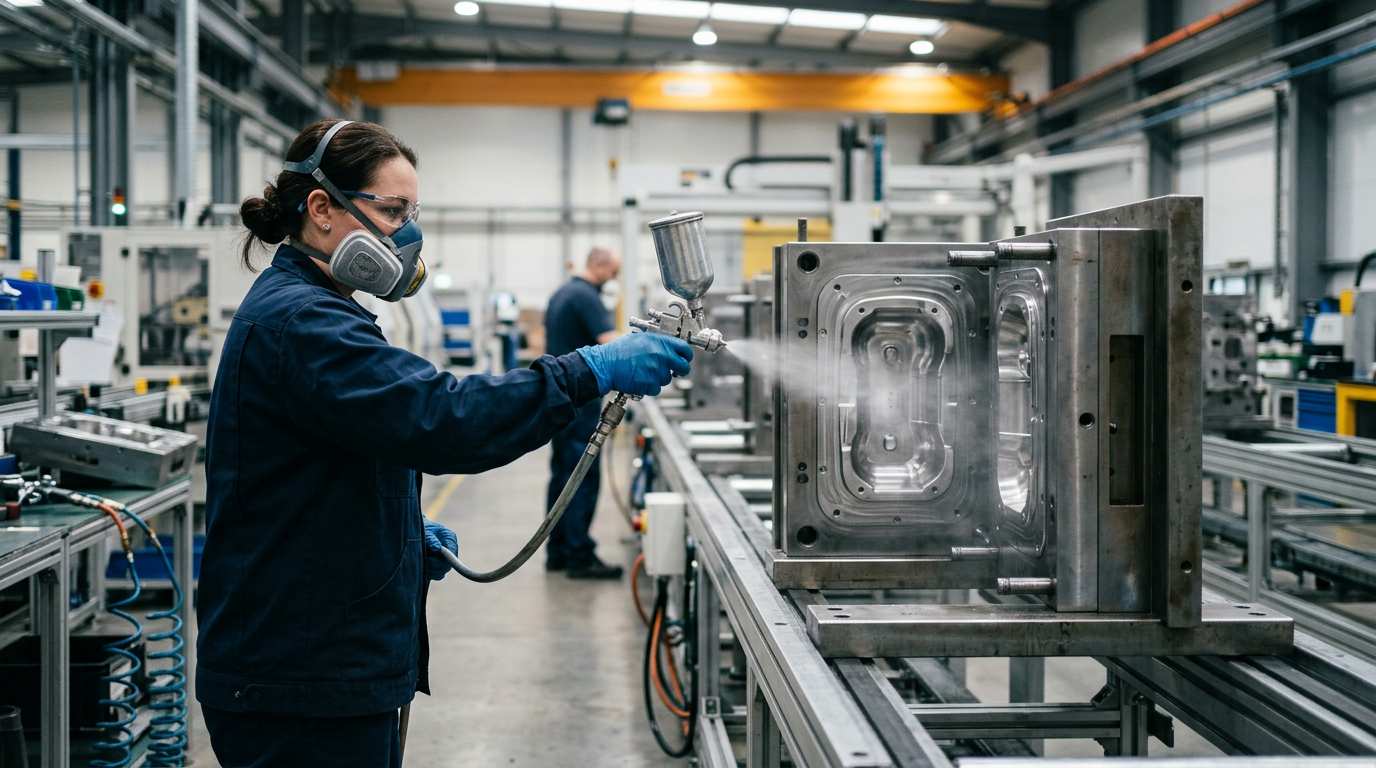
What a PU mould release agent does
A PU mould release agent (also spelled mold release agent) forms a thin, uniform barrier between the polyurethane part and the mould surface. Parts then demould cleanly, without tearing, sticking or surface defects. The right agent also affects how quickly residue builds up on the mould, how long a cycle takes, and whether the part can be painted or coated afterwards.
Chemie Products has dealt in mould release agents since the beginning, and we are the sole selling agent in India for ARCAD Chemicals GmbH, Germany. We keep ready stock of imported release agents and we also formulate ready-to-use release agents to suit your process.
Release agents for foam
Foam moulding covers many processes, and each one asks for something different from the release agent.
- Moulded flexible foam and integral skin foam.
- Cast elastomers, where mould wax and reinforcing paste are also available.
- NVH insulation, trim and rigid foams.
- PU toys, special foams and PU filters.
- Anti-squeak agents for parts that rub against other surfaces.
Release agents for footwear
Footwear brings a second question: what happens to the sole after it leaves the mould. We supply water-based release agents for PU chappals, paintable water-based release agents for shoes and soles, grades compatible with in-mould coatings, and solvent-based release agents for all PU footwear. KPU, CPU and cast shoe uppers are covered as well.
Choosing between solvent, water-based and hybrid
Solvent-based grades flash off fast and suit processes where cycle time is tight. Water-based grades suit plants that want to reduce solvent use and meet workplace norms, though flash-off depends on mould temperature. Hybrid grades sit between the two. The best choice depends on your mould material (aluminium, steel or epoxy), cycle time and part shape, and on whether the part will be painted. Tell us these details and we will suggest a grade to trial instead of guessing.
Release agents can be sprayed, wiped or brushed. We supply spray guns and pressure pots, and PU mould cleaners to lift build-up so a clean mould gives a clean part. Packing is 25 and 50 litre cans for foam and 25 litre cans for footwear.
What to tell us before you order
A release agent that works well in one plant can fail in another, because moulds, cycle times and finishing steps differ. The more we know, the faster we find a grade that works, and the fewer trials you spend.
When you contact us, please share the product you are moulding, the mould material and its temperature, how the agent is applied today, and any problem you see, such as sticking, tearing, build-up on the mould, or paint that will not hold. If the part is painted, bonded or coated after demoulding, say so, because that rules out some grades. We then recommend a grade for a trial on your line, send a sample, and help you set the spray pattern and frequency.
Because we also make colorants and in-mould coatings, we can check that the release agent, the colour and the finish do not work against one another. Our troubleshooting guides on parts that stick or tear at demould and on residue build-up on moulds are a good place to start if you are already facing a problem.
Products for this application
Each product page lists typical properties, packing sizes and the industries it is used in.
- Release & cleaning
Mould Release Agents
Solvent-based, water-based and hybrid release agents for every PU process.
View details 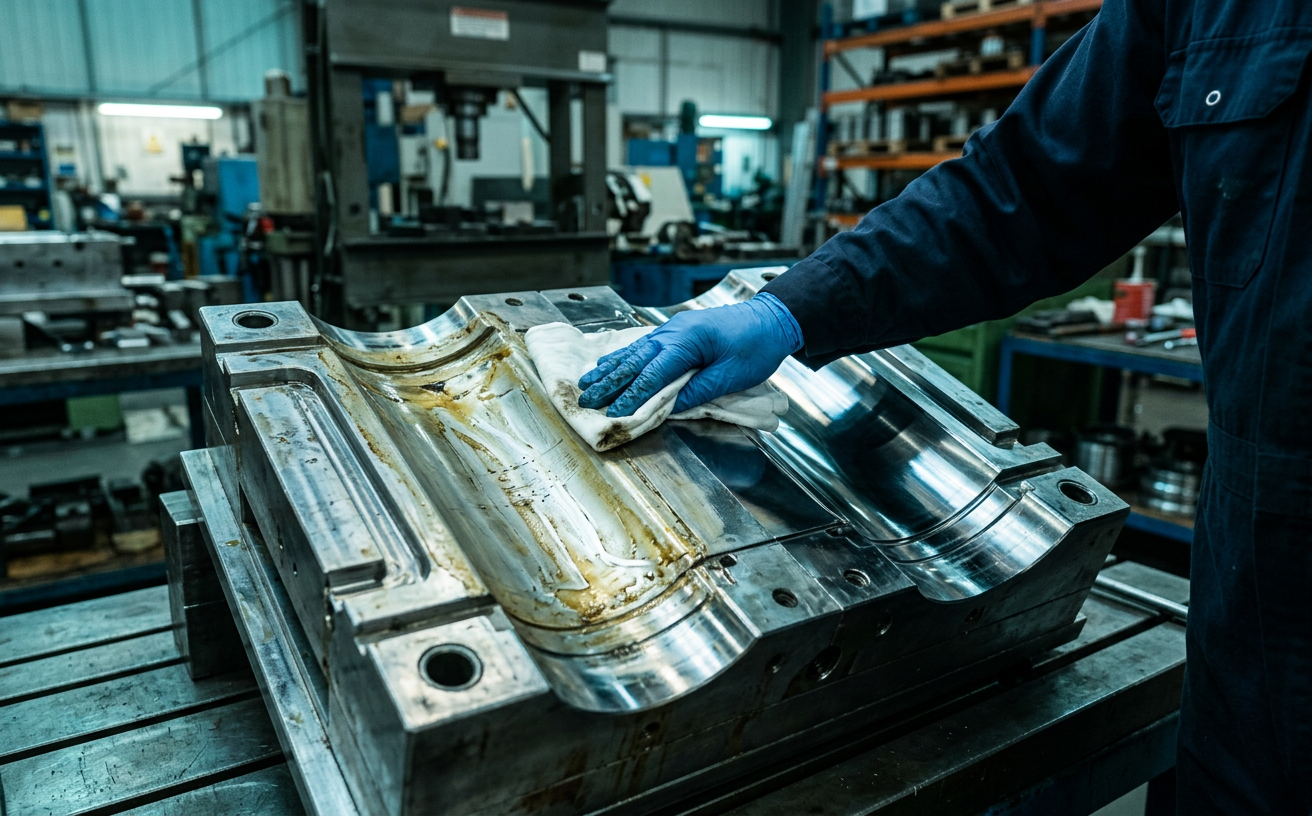 Release & cleaning
PU Mould Cleaners
Customisable cleaners for metal and epoxy moulds.
View details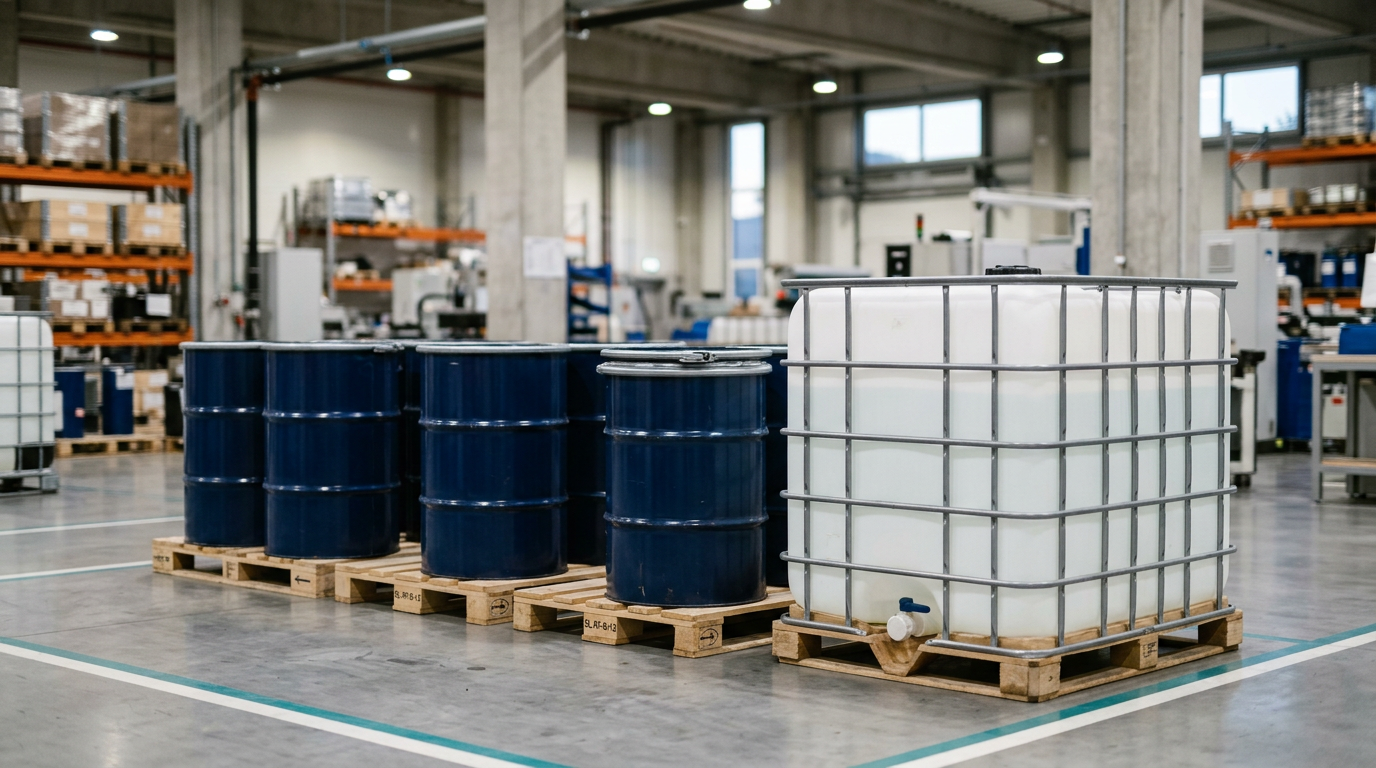 Release & cleaning
Silicone Spray
Silicone-based release and lubricating spray for moulds and equipment.
View details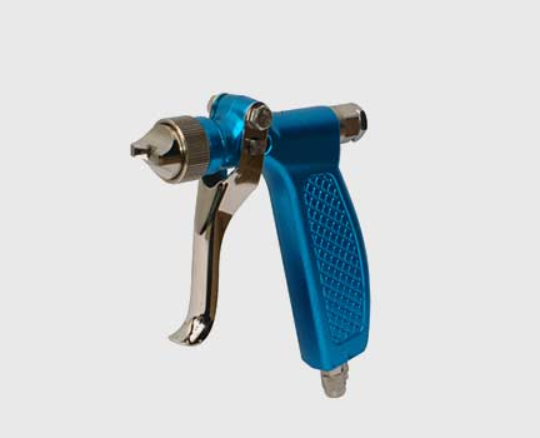 Binders & equipment
Spray Equipment
Spray guns, pressure pots, spare parts and service.
View details Coatings & finishes
In-Mould Coatings
Apply the finish in the mould and demould a finished part.
View details
Industries we supply
Related guides
Troubleshooting guides
Causes, tests and fixes for the problems processors meet most often.
- Why are my PU parts sticking to the mould or tearing when I demould them?
- Why is residue building up on my PU moulds and how often should I clean them?
- Why will paint, lacquer or adhesive not stick to my moulded polyurethane parts?
- Why do I get pinholes, blisters or bubbles on the surface of integral skin or moulded PU?
PU mould (mold) release agent: frequently asked questions
What is the difference between a mould release agent and a mold release agent?
Nothing. Mould is the British spelling and mold is the American spelling. Both names describe the same product that stops PU from sticking to the tool.
Should I choose a solvent-based or a water-based release agent?
Solvent-based grades flash off fast. Water-based grades suit plants that want to cut solvent use. The right choice depends on mould material, cycle time and part shape, so we suggest a grade to trial for your process.
Can I paint parts made with your release agent?
Yes. Paintable grades and grades compatible with in-mould coatings are available. Silicone-based sprays are not suitable for parts that will be painted or bonded.
Do you supply spray guns for release agent?
Yes. We supply spray guns and pressure pots for release agent and in-mould coating, with spares and technical support.
Request a quote
Tell us your system and shade. We reply with a sample plan and pricing.