PU colorants
PU Colorants and Pigment Dispersions for Polyurethane
The flagship of Chemie Products since 1996: liquid colorants, colour pastes and dosing colours made by high-shear dispersion and matched to your system.

What PU colorants are
PU colorants are concentrated pigment dispersions that are metered into the polyol (B-side) of a polyurethane system to colour the finished foam, elastomer, coating or moulded part. A pigment dispersion for polyurethane is made by grinding organic and inorganic pigments into a polyol-compatible carrier until the particles are fine and evenly spread. Good dispersion gives stronger colour, a cleaner shade and fewer specks.
Chemie Products has focused on speciality chemicals for polyurethane since 1996. Our colorants are made at Plant 1 near Bhiwadi, Rajasthan, and our solvent-based release agents and coatings are made at Plant 2 nearby.
The range
One colorant does not suit every machine or every part, so the range is split by how it is used.
- Liquid PU colorants for low-pressure and high-pressure machines.
- Colour pastes, which are thicker, for hand-mix and cast work.
- Dosing colours engineered for continuous metering on slabstock lines.
- UV-stable grades for exterior and automotive use.
- Rigid foam colorants, and colorants for polyurea coatings and PU or epoxy flooring.
- Fire-retardant colour pastes based on melamine and graphite for UL94 requirements.
Shade matching and consistency
We develop each shade against your approved sample, standard or Pantone or RAL reference, and keep the approved standard so that a repeat order matches the first. Controlled grind, tinting-strength and viscosity checks on every batch reduce shade drift on your line. Viscosity can be customised to suit your machine pumps, which helps keep dosing steady.
Typical values on our product pages are a guide only. Dosing level, viscosity and compatibility depend on your shade and your system, so we confirm them by trial and share the results with you.
Where PU colorants are used
Our PU colorants go into flexible and slabstock foam, footwear soles and chappals, automotive integral skin and trim, cast elastomers, PU toys, rigid foam and insulation panels, polyurea coatings, and PU and epoxy flooring. They are REACH and RoHS compliant. Packing runs from 5 kg cans for footwear trials to 200 kg drums for foam, with a 12 month shelf life when stored cool and dry in the original sealed container.
If something goes wrong on the line, such as a shade that drifts, a colorant that settles in the drum, or specks and streaks in the part, our troubleshooting guides explain the usual causes and fixes. When you are ready, send us your sample and system details for a quote.
Products for this application
Each product page lists typical properties, packing sizes and the industries it is used in.
 ColorantsFlagship
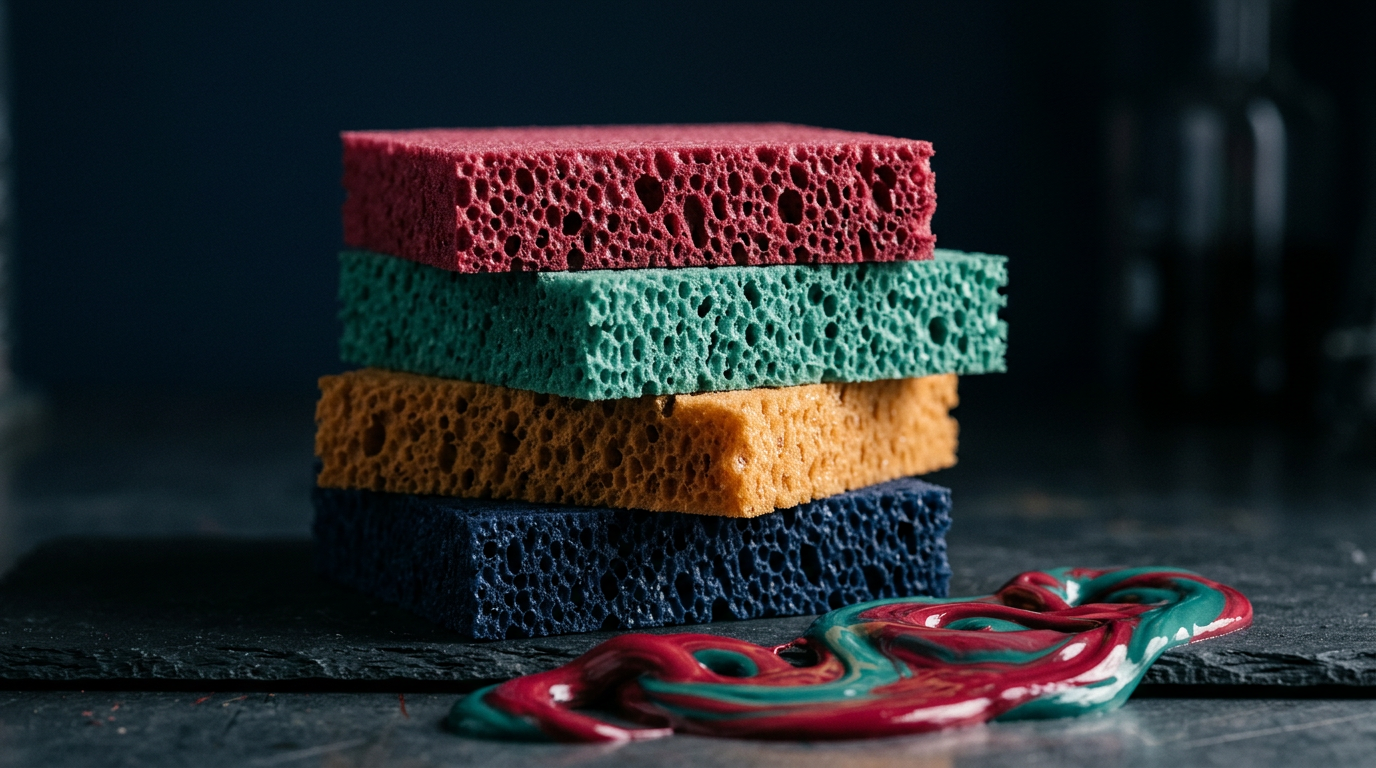
Polyurethane Colorants
Pigment dispersion colorants matched to your shade, system and process.
View details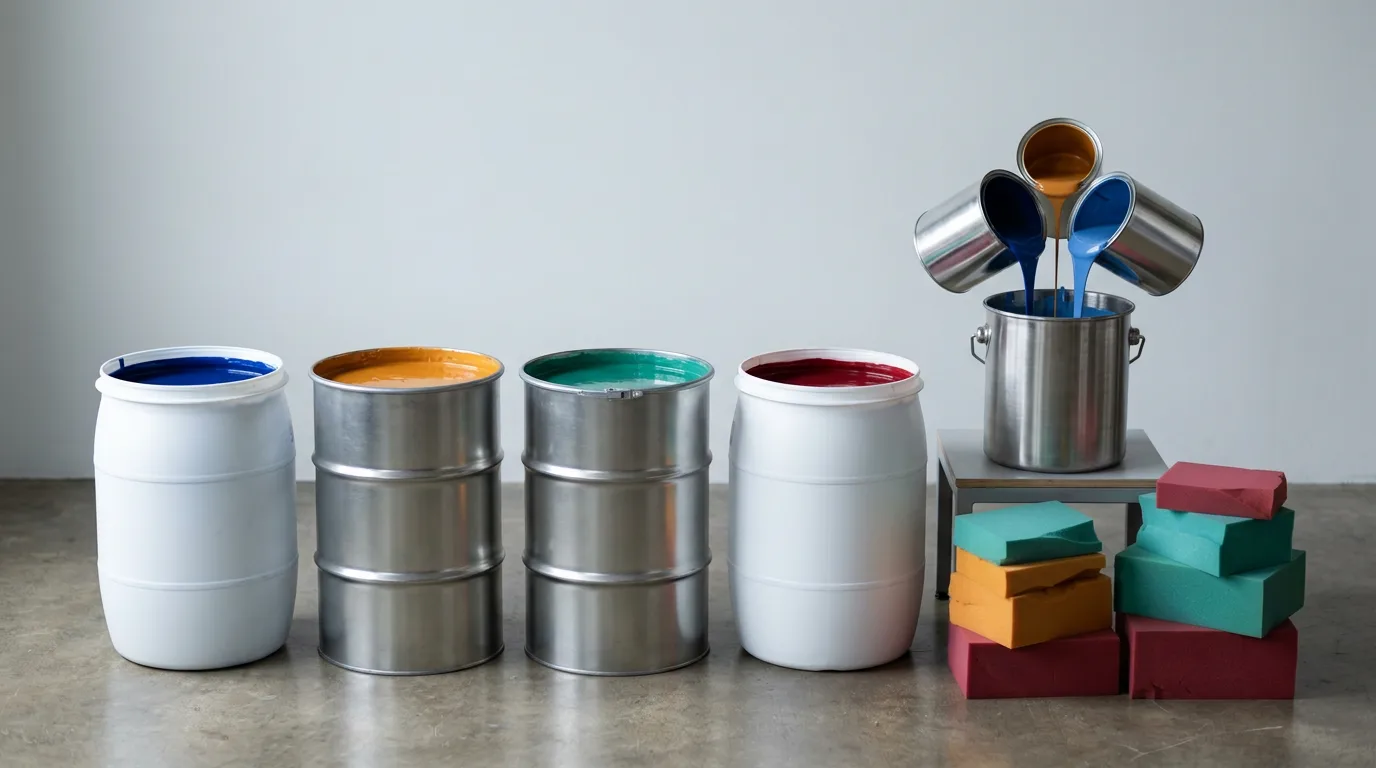 Colorants
Liquid Colors for Hennecke and Laader Berg Machines
Pump-friendly liquid colorants for continuous colour dosing on PU foam machines.
View details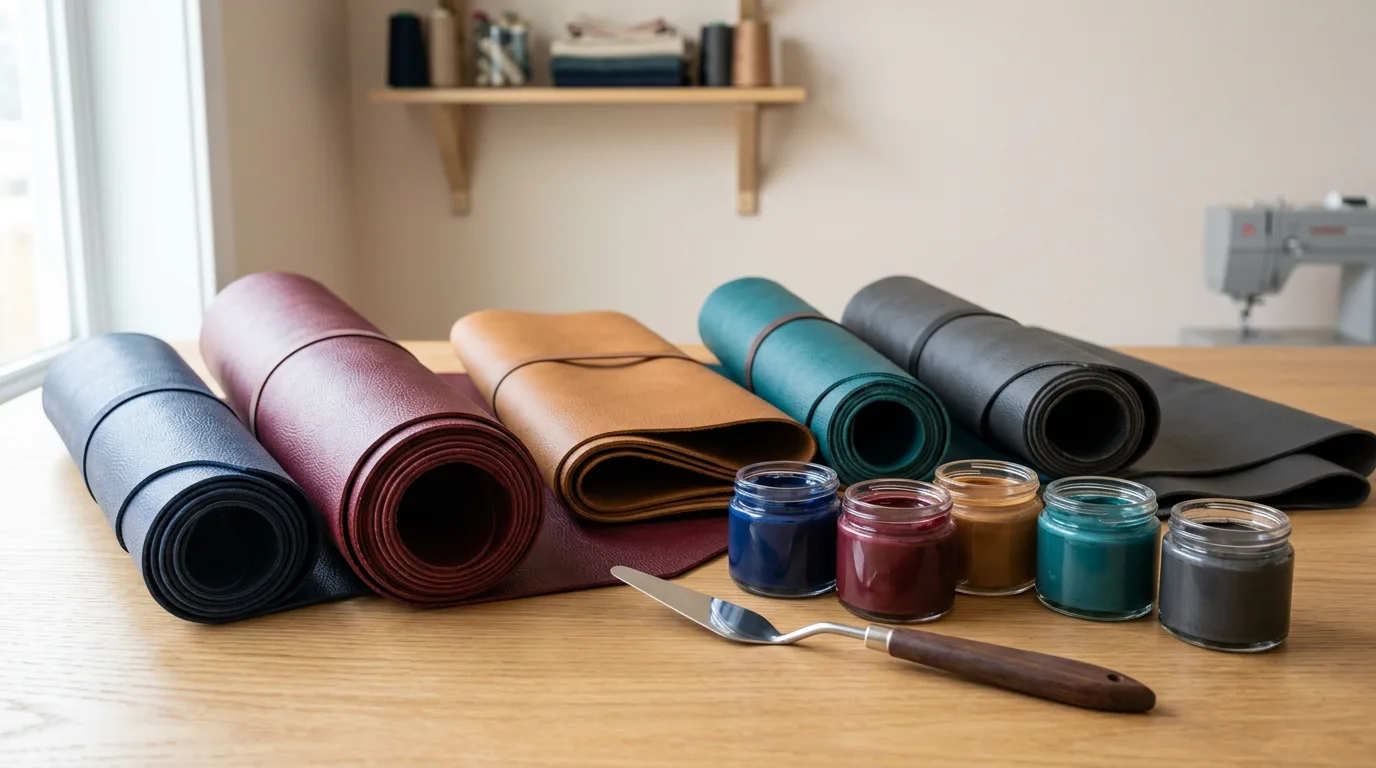 Colorants
Colors for PU and PVC Artificial Leather
Fine-ground colour pastes for PU and PVC coating layers on synthetic leather.
View details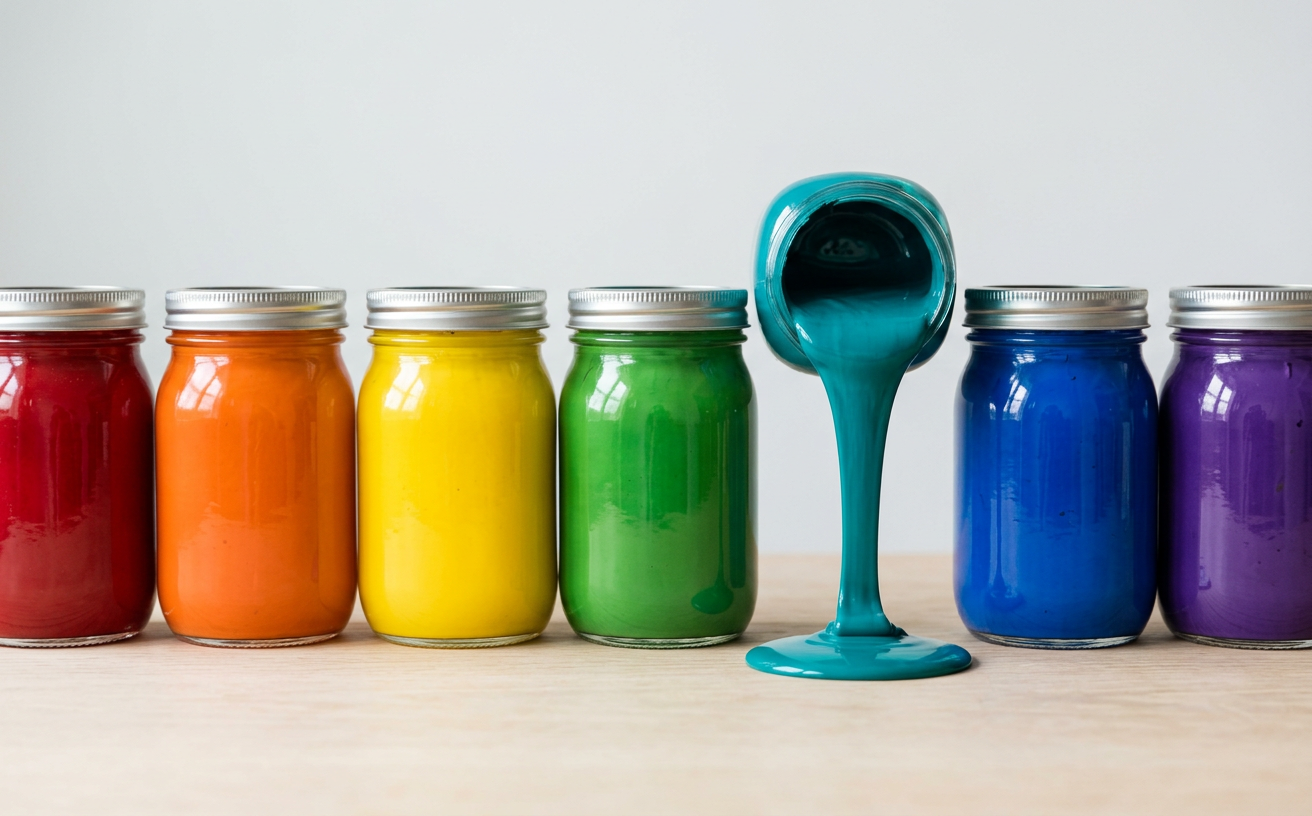 Colorants
Universal Colorants
One colorant platform for multiple resin systems.
View details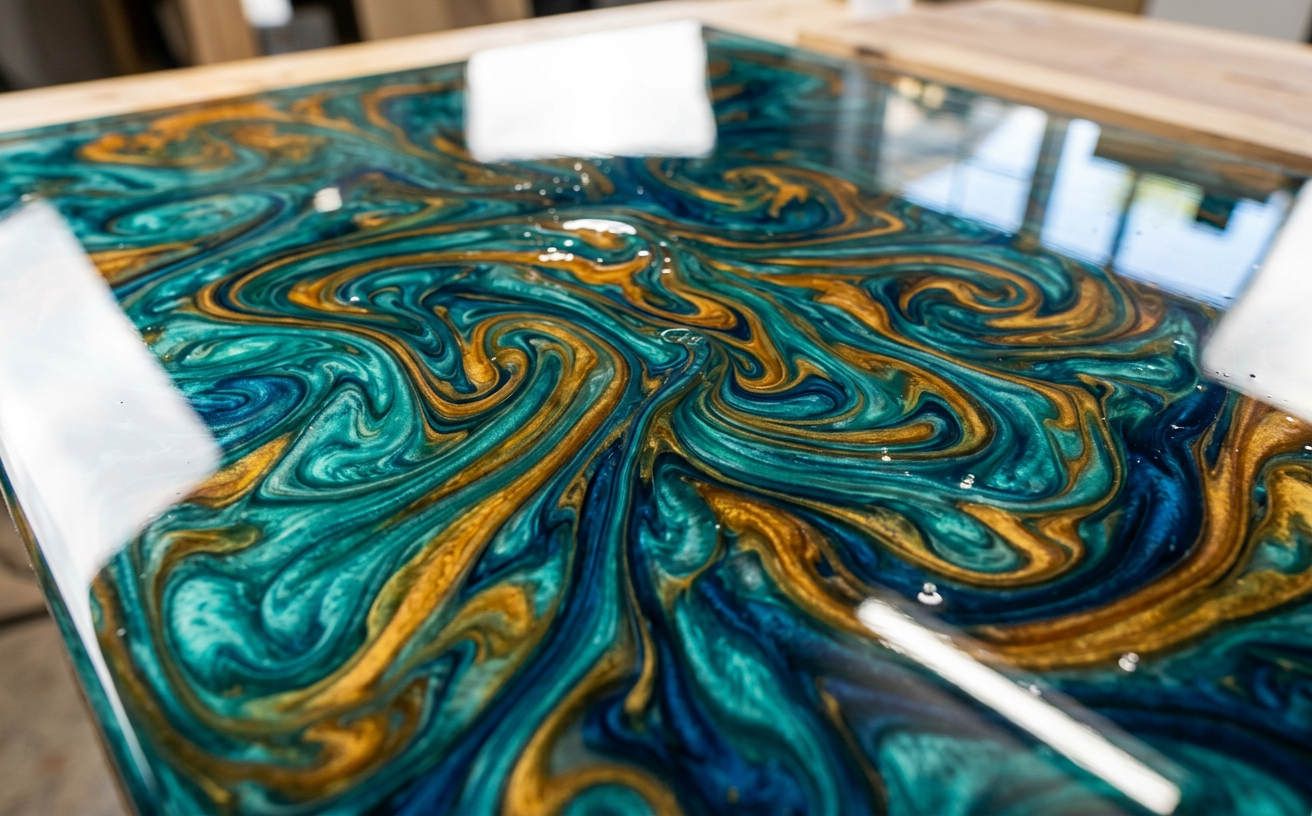 Colorants
Epoxy Colorants
Dispersion colorants for epoxy flooring, casting and coatings.
View details
Industries we supply
Related guides
Troubleshooting guides
Causes, tests and fixes for the problems processors meet most often.
- Why does the colour of my PU foam or moulded part vary from one block, shot or batch to the next?
- Why has my PU colorant settled, separated or turned into a hard cake at the bottom of the drum?
- Why do I see coloured specks, streaks or marbling in my polyurethane parts?
- Why does my coloured polyurethane part yellow or fade when it is exposed to sunlight?
PU colorants: frequently asked questions
What is a pigment dispersion for polyurethane?
It is a mix of pigment ground into a polyol-compatible carrier. It is metered into the polyol side of a PU system to colour foam, elastomers, coatings and moulded parts.
What is the difference between a PU colorant and a colour paste?
Liquid colorants are lower in viscosity and suit machine metering. Colour pastes are thicker and suit hand-mix and cast work. We set the viscosity to suit your machine pumps.
Are your PU colorants REACH and RoHS compliant?
Yes. Our PU colorants are REACH and RoHS compliant. Tell us about any extra restricted-substance requirement and we will confirm what we can meet.
How long can I store PU colorants?
Shelf life is 12 months in the original sealed container, stored cool and dry. Settling can happen on long storage, so see our guide on colorant that has settled in the drum.
Request a quote
Tell us your system and shade. We reply with a sample plan and pricing.