
Release & cleaning
Mould Release Agents
Solvent-based, water-based and hybrid release agents for every PU process.

What it is
A mould release agent forms a thin, uniform barrier between the PU part and the mould surface so parts demould cleanly without tearing, sticking or surface defects. The right release agent also determines mould build-up, cycle time and whether the part can be painted or coated afterwards.
Chemie supplies solvent-based, water-based and hybrid release agents, including paintable grades for shoe and sole production, grades compatible with in-mould coatings, and water-based grades for PU chappals.
Why customers choose it
Clean demoulding
Consistent release over many cycles with low mould build-up.
Paint and coating compatible
Paintable and in-mould-coating-compatible grades protect adhesion of the finish.
Water or solvent choice
Water-based grades for environment and workplace norms; solvent-based grades for fast flash-off.
Process-matched
Grades selected by mould material, cycle time and part geometry.
Applications
- Moulded flexible foam
- Integral skin foam
- Cast elastomers
- KPU, CPU and cast shoe uppers
- PU toys and special foams
- NVH insulation, trim and rigid foams
- PU filters
- Anti-squeak agents and mould wax / reinforcing paste
Typical properties
| Types | Solvent-based, water-based, hybrid |
|---|---|
| Appearance | Clear to milky liquid or wax paste, grade dependent |
| Application method | Spray, wipe or brush |
| Flash-off | Fast (solvent-based) to moderate (water-based), depending on mould temperature |
| Mould materials | Aluminium, steel and epoxy moulds |
| Paintability | Paintable and non-paintable grades available |
| Shelf life | 12 months in original sealed container |
Indicative typical values. Batch-specific values are given on the Technical Data Sheet (TDS) and Certificate of Analysis.
Packing sizes
Foam
- 25 Ltr Can
- 50 Ltr Can
Footwear
- 25 Ltr Can
Common problems and how to fix them
Field notes from three decades with this product family. Each guide lists causes, tests and fixes.
- Why are my PU parts sticking to the mould or tearing when I demould them?
- Why is residue building up on my PU moulds and how often should I clean them?
- Why will paint, lacquer or adhesive not stick to my moulded polyurethane parts?
- Why do I get pinholes, blisters or bubbles on the surface of integral skin or moulded PU?
- Why is my in-mould coating peeling or delaminating from the polyurethane part?
Buyer guides for this product
Used in these industries
Related products
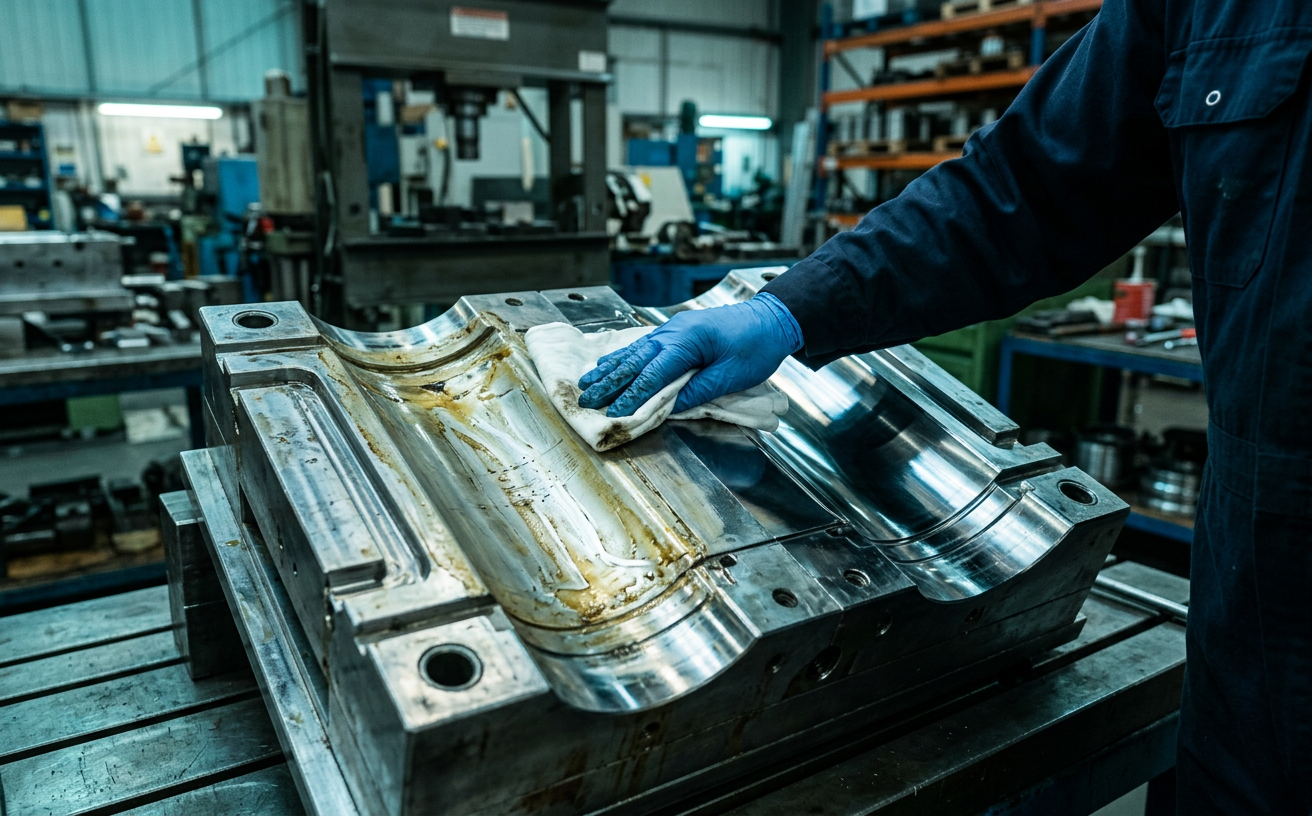
PU Mould Cleaners
Customisable cleaners for metal and epoxy moulds.
View details
Silicone Spray
Silicone-based release and lubricating spray for moulds and equipment.
View details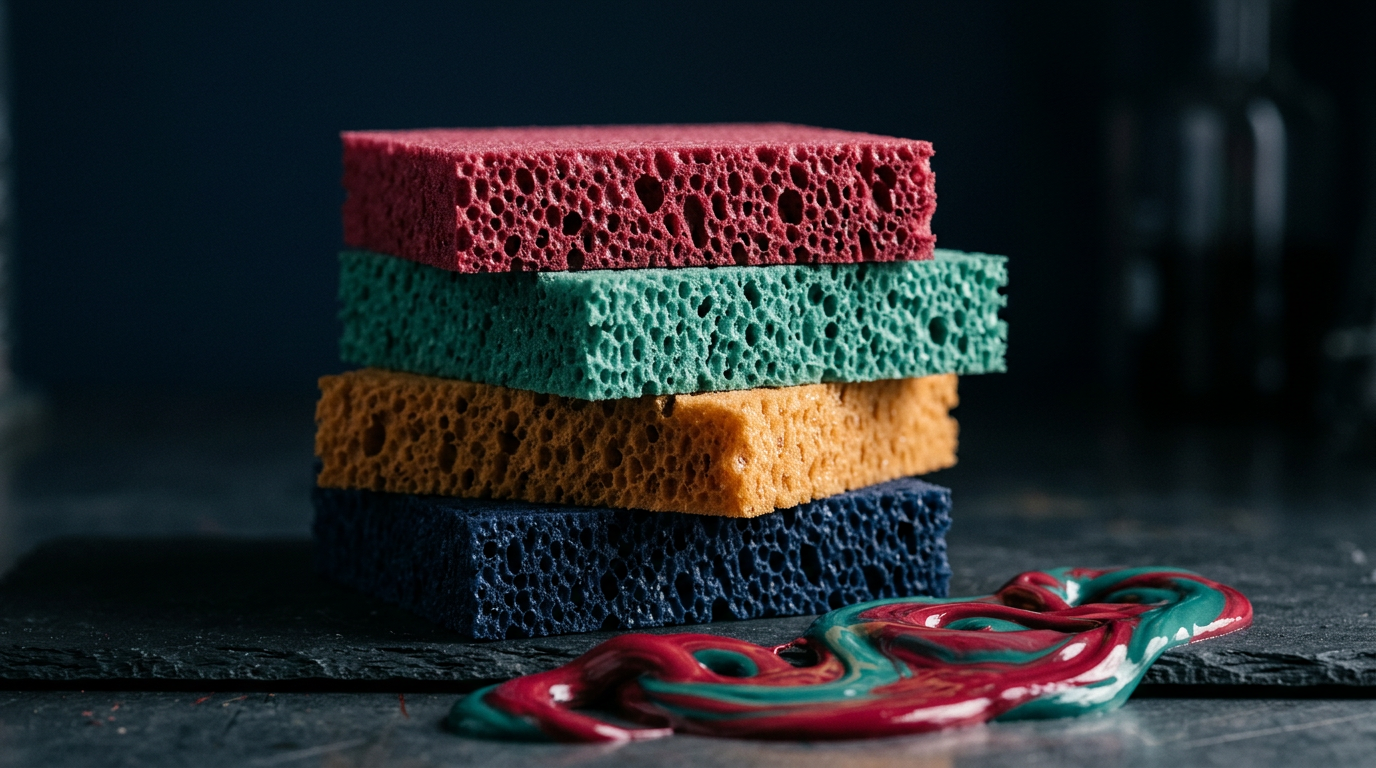
Polyurethane Colorants
Pigment dispersion colorants matched to your shade, system and process.
View detailsMould Release Agents: frequently asked questions
Should I choose a solvent-based, water-based or hybrid release agent?
Solvent-based grades flash off quickly and suit fast cycles. Water-based grades suit environmental and workplace norms and have a moderate flash-off that depends on mould temperature. Hybrid grades sit between the two. We select by mould material, cycle time and part geometry.
Can I paint or coat parts released with your agent?
Yes, if you use a paintable or in-mould-coating-compatible grade. Non-paintable grades and silicone sprays can stop paint, coatings and adhesives from bonding, so tell us your finishing step before choosing.
Why are my PU parts sticking or why is the mould building up?
Common causes are a thin or uneven release film, a grade that does not suit the mould temperature, and residue accumulating on the mould. Check film coverage, match the grade to the process, and clean the mould with a compatible cleaner. Our troubleshooting guides list causes, tests and fixes.
Which mould materials are supported?
Aluminium, steel and epoxy moulds. Tell us the mould material and we will confirm the grade.
How is the release agent applied?
By spray, wipe or brush, depending on the grade. Spray guns and pressure pots are also available from Chemie.
What packing sizes and shelf life do you offer?
Foam: 25 Ltr and 50 Ltr cans. Footwear: 25 Ltr can. Shelf life is 12 months in the original sealed container.