Coatings & finishes
In-Mould Coatings
Apply the finish in the mould and demould a finished part.
What it is
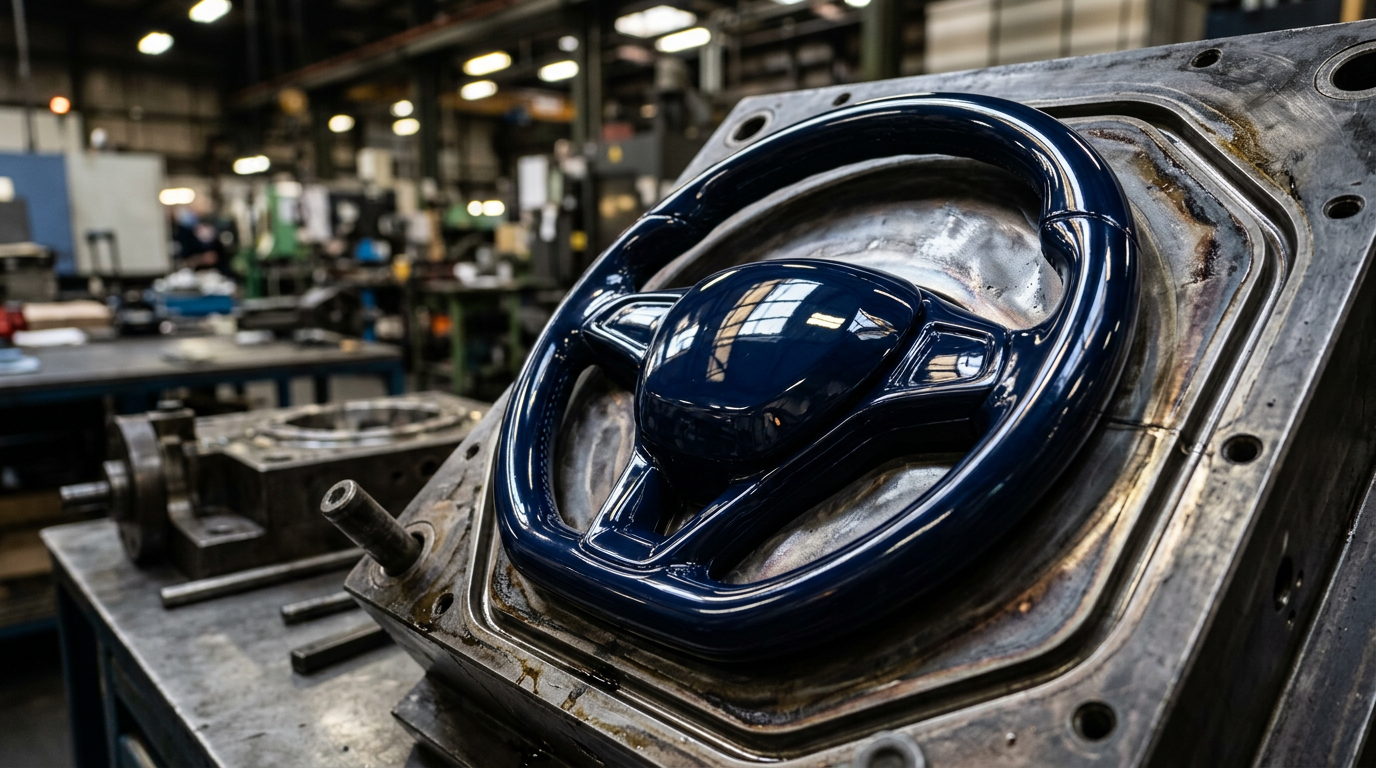
In-mould coatings are sprayed into the mould before PU is poured. The coating transfers to the part during moulding and bonds to it, delivering a finished surface straight from the mould and removing a separate painting step.
Chemie in-mould coatings are customisable for gloss level, hardness, abrasion resistance and UV performance, and are produced at our solvent-based products plant in Bhiwadi.
Why customers choose it
Finished part from the mould
Eliminates post-moulding painting for many parts.
Customisable finish
Glossy to matt, with adjustable tensile strength and abrasion resistance.
UV properties on request
UV-stable grades for parts that see daylight.
Water or solvent based
Choose the system that fits your plant and environmental norms.
Applications
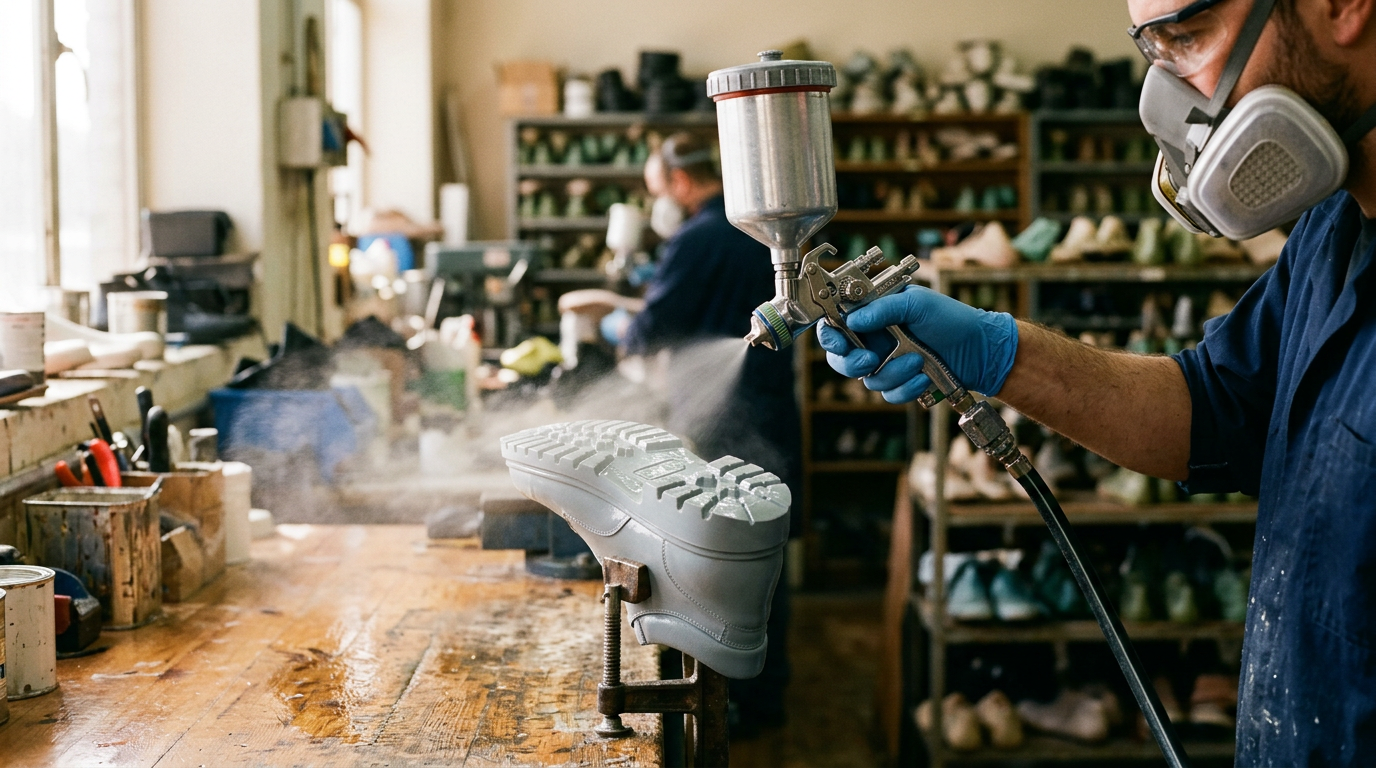
- Shoe soles
- Automotive integral skin parts
- Furniture armrests and trim
- Steering wheels
Typical properties
| Types | Water-based and solvent-based |
|---|---|
| Finish | Gloss to matt, customisable |
| Application method | Spray into mould, then pour PU |
| Compatible release agents | In-mould coating compatible grades from Chemie |
| Density range | Low to high density foam parts, customisable |
| Shelf life | 6–12 months in original sealed container |
Indicative typical values. Batch-specific values are given on the Technical Data Sheet (TDS) and Certificate of Analysis.
Packing sizes
- 20 kg Metal Drum
Common problems and how to fix them
Field notes from three decades with this product family. Each guide lists causes, tests and fixes.
- Why does my coloured polyurethane part yellow or fade when it is exposed to sunlight?
- Why is my in-mould coating peeling or delaminating from the polyurethane part?
- Why does my in-mould coating show orange peel, craters, wrinkles, pinholes or a white haze?
- Why does the in-mould coating or lacquer crack when my PU part is flexed?
Buyer guides for this product
Used in these industries
Related products
PU Lacquers
Post-moulding lacquers for colour, gloss and protection.
View details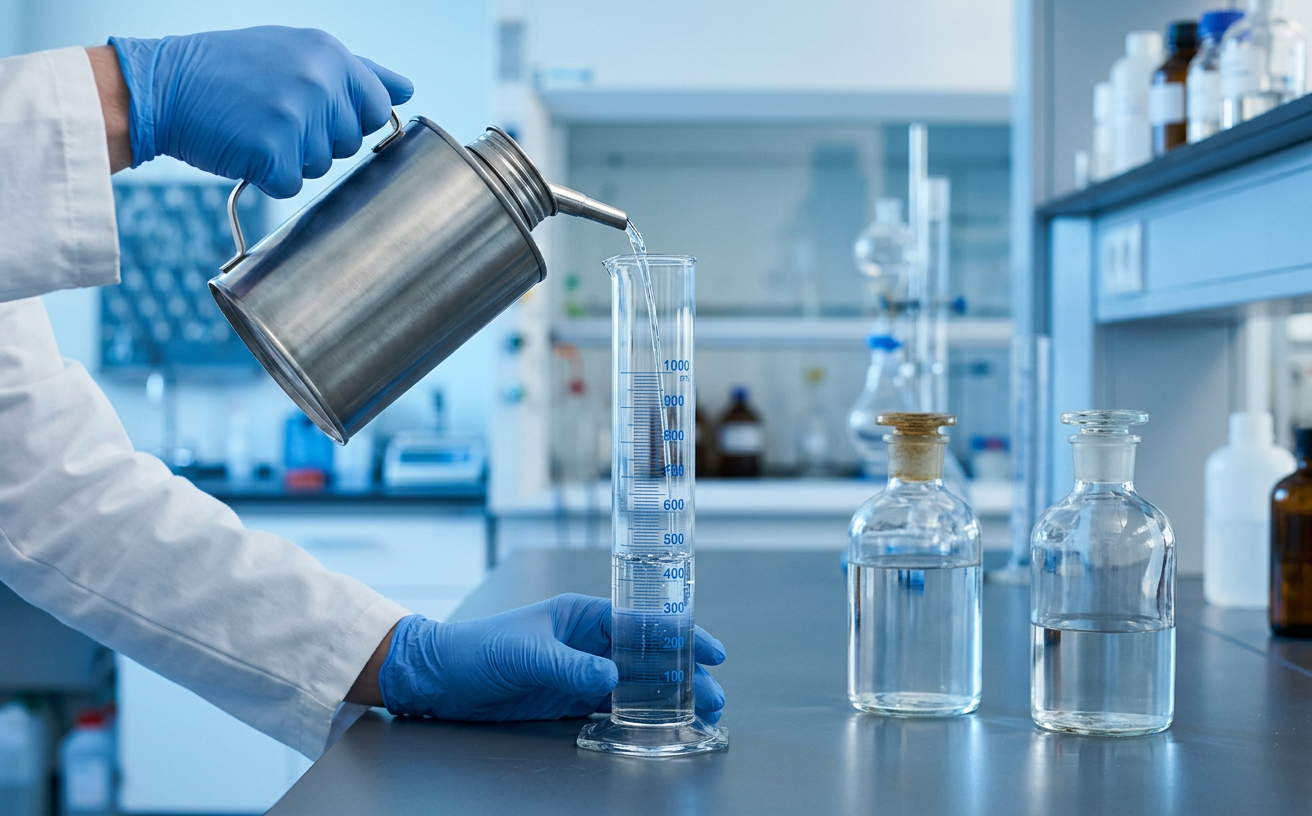
PU Thinners
Solvent blends for lacquer dilution and equipment cleaning.
View details
Polyurethane Colorants
Pigment dispersion colorants matched to your shade, system and process.
View detailsIn-Mould Coatings: frequently asked questions
What is an in-mould coating and how is it applied?
It is sprayed into the mould before the PU is poured. The coating transfers to the part, bonds to it and gives a finished surface straight from the mould, which can remove a separate painting step.
Should I choose a water-based or solvent-based in-mould coating?
Both are available. Choose the system that fits your plant, environmental norms and flash-off requirements. Solvent-based coatings are made at our solvent-based products plant in Bhiwadi.
Which release agent works with an in-mould coating?
Use an in-mould-coating-compatible release agent. Mixing unrelated release and coating products is a common cause of poor adhesion, so we recommend a matched set.
Can the finish be customised?
Yes. Gloss level from glossy to matt, hardness, abrasion resistance and UV performance can be adjusted for the part.
Why is my in-mould coating peeling or showing defects?
Typical causes are an incompatible release agent, contamination on the mould, or the coating not being given enough flash-off before the pour. Check those first and run a matched release, coating and colorant trial. See our troubleshooting guides for tests and fixes.
Which parts and pack sizes is it used for?
Shoe soles, automotive integral skin parts, furniture armrests and trim, and steering wheels. Supplied in 20 kg metal drums.